

ScyllaDB 2026.2 brings a combination of GA new features, exciting experimental features, and multiple stability and external use case improvements.
The updates include:
- DynamoDB compatible API (Alternator) enhancements: DynamoDB compatible Streams and Vector Search extension.
- Performance and Stability: Trie index performance improvement, and streamlining connection storm handling.
- ScyllaDB Cloud: New Private Link connectivity feature and Vector Search integrations (LangChain, LlamaIndex, Spring AI, Agno, and more).
- Experimental features: Strongly Consistent Tables and vNode-to-Tablet online migration.
2026.2 is more stable, works faster, and better than any past release. You are encouraged to upgrade to it, and use it for any new deployment.
For the full release notes, see this forum post.
DynamoDB compatible API (Alternator) enhancements
Alternator is a native DynamoDB-compatible API on ScyllaDB.
ScyllaDB 2026.2 includes two major additions to that API: DynamoDB Streams compatibility and a Vector Search extension.
Streams are Generally Available
Alternator Streams, ScyllaDB’s DynamoDB Streams-compatible change data capture interface, is now Generally Available (GA). Applications can capture ordered item-level changes from Alternator tables for event-driven architectures, CDC pipelines, and replication workflows.
Vector Search Extension
A new extension to the Amazon DynamoDB API allows you to use Semantic Vector Search directly on your data.
For users in the DynamoDB environment, implementing vector search has been overly complicated. Amazon’s “Zero ETL” forces a dual-service approach (managing both DynamoDB and OpenSearch) and requires using two separate APIs just for Vector Semantic Search queries. ScyllaDB eliminated the heavy lifting by integrating vector search capabilities into Alternator, our DynamoDB-compatible API. This gives DynamoDB users high-performance similarity search within their familiar API, without the need for extra clusters or constant API context-switching.
Vector Search is available in ScyllaDB Cloud.
Performance: Trie index by default
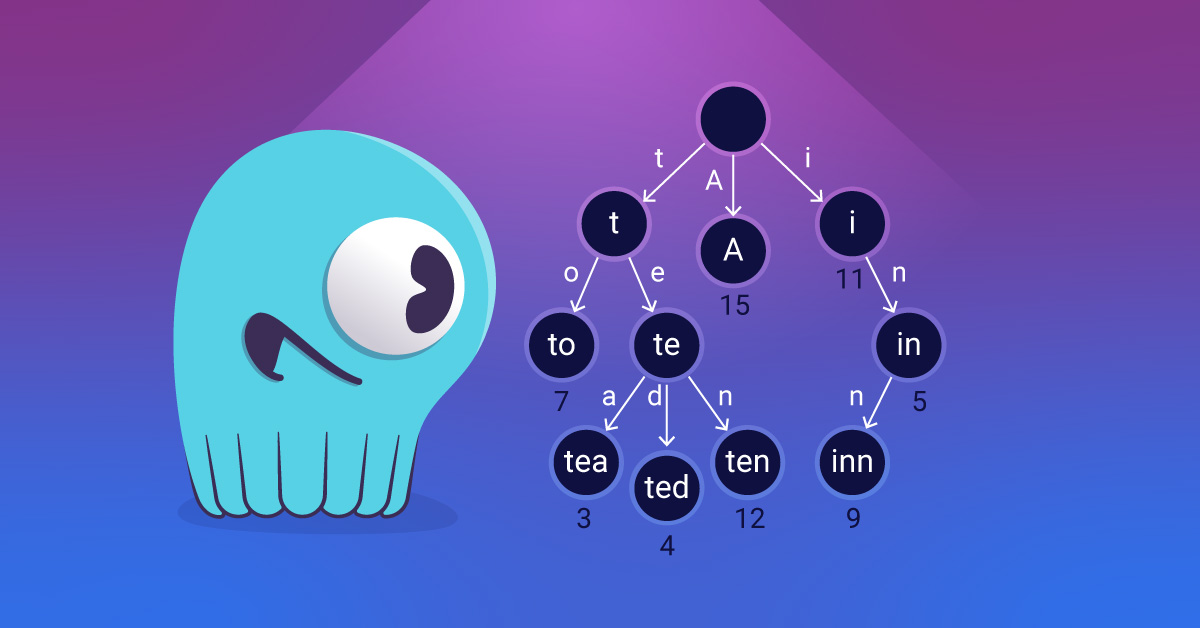
The Trie-based SSTable index format was added in ScyllaDB 2025.4. Since then it has evolved and matured to become the default index format in ScyllaDB 2026.2.
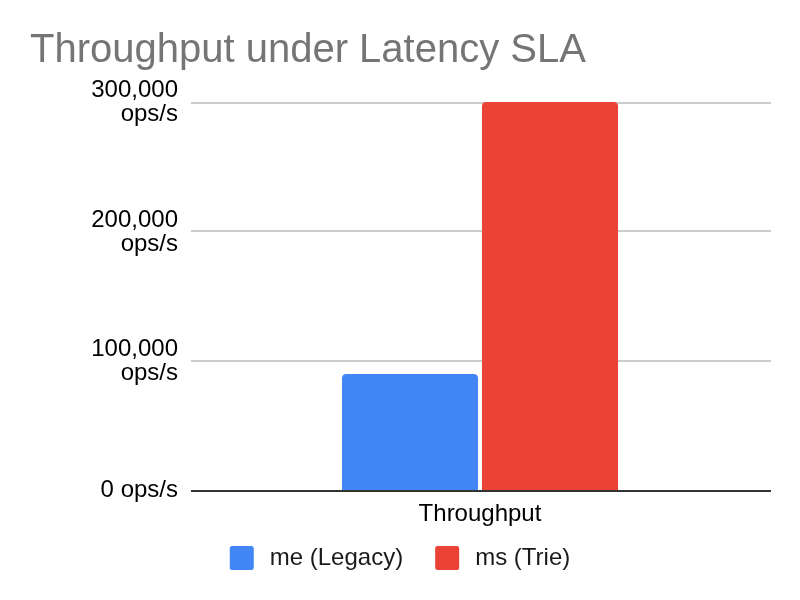
The Trie index format increases throughput by up to x3 with lower latency compared to legacy index formats.
To read more, see our blog post, How ScyllaDB’s Trie-Based Index Delivers Up to 3X More Throughput.
Stability: Connection Storm Mitigation
A connection storm is the result of thousands of applications reconnecting to the cluster after a node restart or a network issue. This issue is rare. But, when it happens, it’s important that it doesn’t cause latency to spike.
In 2026.2, we implemented multiple mechanisms to mitigate this effect. Some of them are:
- Coordinator side connection throttling
- Unified authentication and authorization cache
- Improved password hashing
- Using a lower default service level
- Replica-Side Load Shedding
As shown below, the effect is dramatic. From a P99 of 5 seconds during a connection storm (after a node restart) to 3.5 milliseconds.
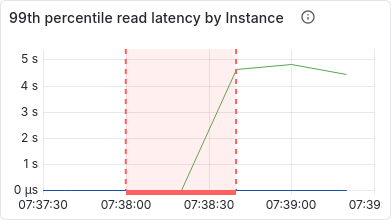
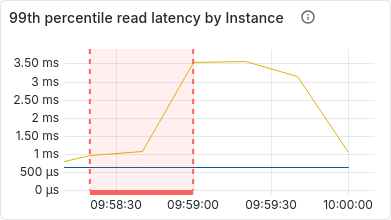
For more details, see our blog post, Cutting P99 Latency 1000X During Connection Storms by Hardening ScyllaDB Admission Controls.
ScyllaDB Cloud
ScyllaDB continues to expand its Vector Search capabilities with integrations to popular tools like LangChain, LlamaIndex, Spring AI, Agno and more. For more details, see our blog post, Build Durable Chat Memory for RAG Using ScyllaDB and LangChain.
New experimental features
Strong Consistency: Raft Group per Tablet
ScyllaDB has been using the Raft consensus algorithm for metadata like cluster topology and data distribution (Tablets) for years now. In this release, ScyllaDB started using Raft for data consistency as well. You can now create a globally consistent Keyspace, and enjoy strong consistency – with performance that’s very close to eventual consistency, and superior to the existing LWT approach.
You can read more about this in Riding the Raft to Strong Consistency in ScyllaDB.
vNodes to Tablets Migration
Tablets, ScyllaDB’s new dynamic algorithm for data distribution, powers ScyllaDB’s extreme elasticity. With 2026.1, tablets achieved full feature parity and became recommended for all new clusters.
But what about exiting production clusters? In 2026.2, ScyllaDB provides a zero downtime migration from legacy vNode to Tablets, with minimal resource usage.
See Migrate a Keyspace from Vnodes to Tablets in the ScyllaDB documentation for details.
Want to use one of the experimental features? See the documentation for details on how to enable them, or contact the ScyllaDB Cloud support team.