


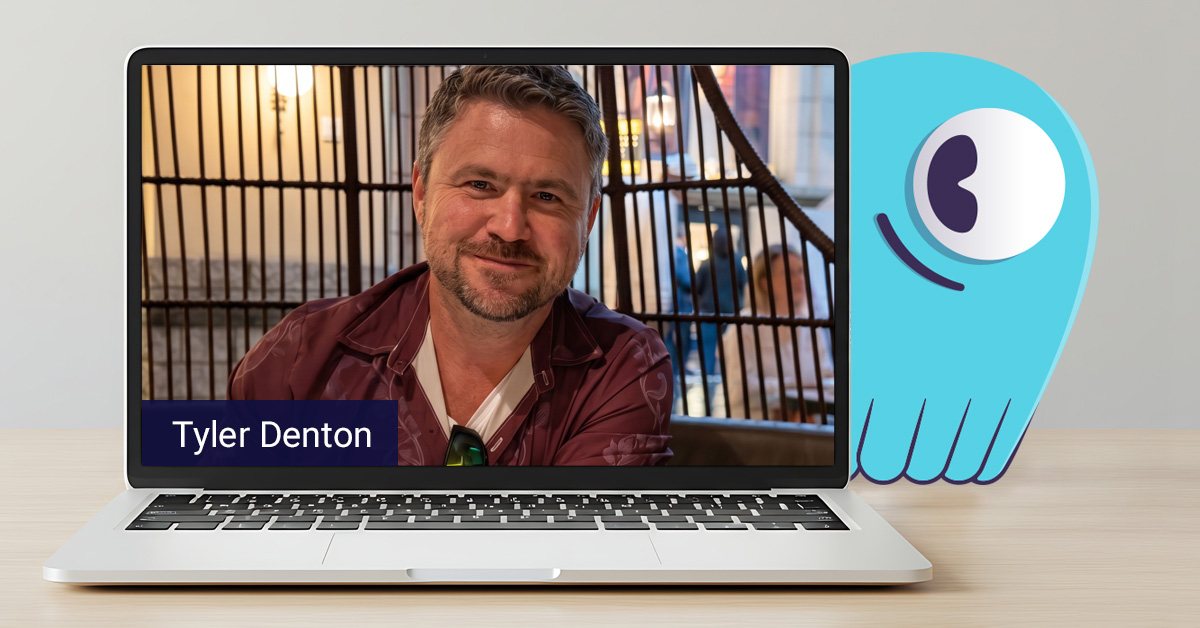
Welcome to the first installment of a new blog series introducing some of the experts you’re likely to encounter when you work with ScyllaDB.
Tyler Denton is a Solutions Architect on the Customer Experience team here at ScyllaDB. He lives in Fort Myers Florida, USA. He’s been at ScyllaDB for about a year,
Let’s get to know a little about Tyler…
What do you do here at ScyllaDB
I’m a Solutions Architect, which is sometimes known as a Sales Engineer or Solutions Engineer. I help customers or prospects review their architectures and find the best place for ScyllaDB to be deployed. Does it make sense, and what’s the most efficient, impactful way to use ScyllaDB in their product or solution? I’m also our field AI subject Subject Matter Expert, so I do a lot with our vector search, a lot with our feature store deployments, agent, state management…things like that.
Please share a little about your path to ScyllaDB
My first job ever was as a machinist’s mate operating nuclear reactors in the US Navy. That might seem like an odd place to start for somebody who works as a Solutions Architect…but what that taught me was systems.
How does the failure of a main steam root valve affect the starboard steam generators? Understanding how complex systems interact and work together taught me a lot about architecture and how to build systems that can survive failure.
I started writing software in about the sixth grade and continued doing that, and so I’ve worked at companies like AWS, Couchbase, Rockset (acquired by OpenAI), and that all kind of led me here — where I can focus heavily on bringing large, distributed systems into production and focusing on AI.
Tell me about one of the most interesting projects you’ve worked on here
One of the most interesting projects I’ve worked on here is an AdTech company that used every feature of our flagship product, ScyllaDB X Cloud. We got to see the major, nearly instantaneous scaling of ScyllaDB. If anybody’s ever used Cassandra or earlier versions of ScyllaDB, you know that wide-table databases can be very hard to scale and can take a long time.
Here, we were able to go from 6 nodes to 60 nodes in about 15 minutes, and the throughput and performance we saw from that was absolutely incredible. Watching this develop in real time was very cool and very rewarding.
What’s the most impressive ScyllaDB feat you’ve seen a team accomplish
Right now, I’m working on bringing a deployment into production where we were displacing another technology. By moving from their existing data model to one supported in ScyllaDB using static maps, we saw a huge cost reduction and a huge performance improvement.
They were able to support queries across very complicated data structures in sub-millisecond latency across their entire corpus of data, and they were able to do that because they migrated to ScyllaDB.
What do you like to do when you’re not working or on-call
When I’m not working my day job, I focus a lot on building my AI knowledge. I do a lot of speaking engagements, development work, and community outreach.
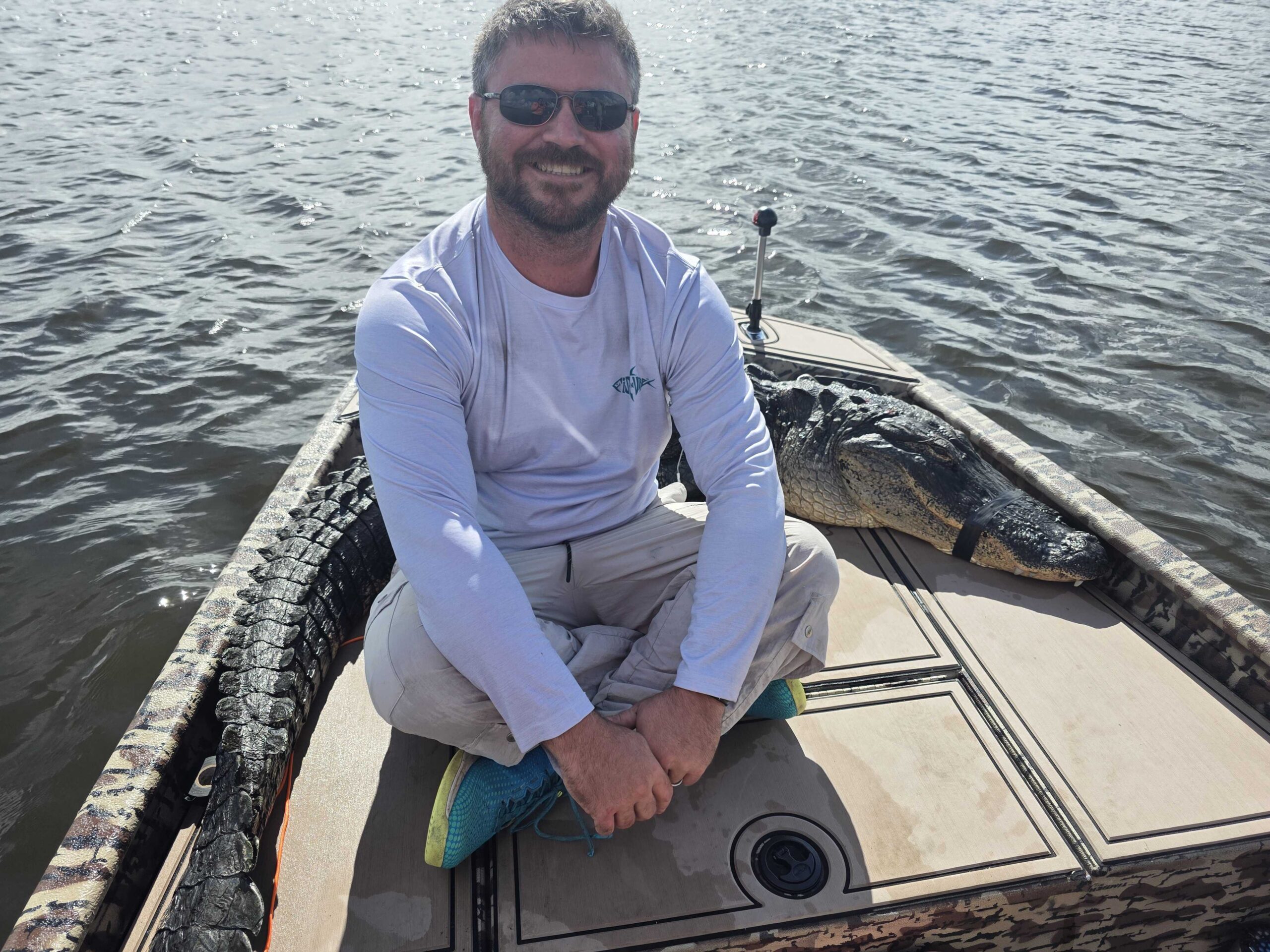
And when I’m not doing that, I’m working on my boat. Every now and then I actually get to take it out, but anybody who owns a boat knows that most of the time is spent actually working on it.
What’s your top tip for getting the most out of ScyllaDB
Follow the instructions. RTFM. Don’t try to be unique.
ScyllaDB is designed to solve very specific use cases, and it does that incredibly well. When you try to get creative and build a database within a database, or start doing things ScyllaDB wasn’t designed for, it gets painful really fast, and ScyllaDB will punish you.
So just read the manual, follow the best practices, and you’ll have a great time.